
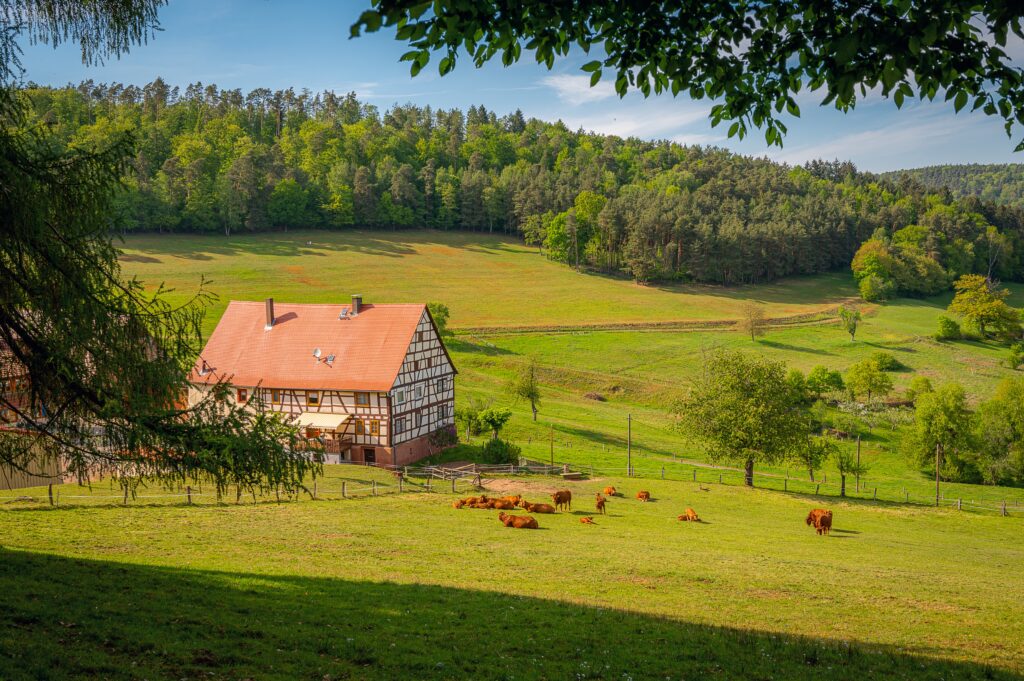
The dream of owning land in Ontario is a powerful one. For some, it’s the vision of a thriving agricultural business—rows of corn stretching to the horizon or a state-of-the-art dairy operation buzzing with activity. For others, it’s the promise of a peaceful country lifestyle—a rambling farmhouse, a few acres for horses, and a garden to feed the family.
But here’s a critical truth many buyers discover too late: these two dreams are built on entirely different foundations. Choosing between a commercial farm and a rural estate isn’t just about acreage; it’s a decision that profoundly impacts your finances, legal rights, and daily life. Making the wrong choice can lead to unexpected tax bills, financing roadblocks, and zoning restrictions that stall your plans before they even begin.
This guide provides the clear, integrated framework you need. We’ll move beyond surface-level definitions to dissect the four pillars of your decision: lifestyle, zoning, financing, and taxation. By the end, you’ll have the confidence to know exactly which path is right for you.
At a Glance: Key Differences Between a Commercial Farm and a Rural Estate
For those who want the bottom line upfront, this table breaks down the fundamental distinctions.
Farm Types Comparison
| Feature | Commercial Farm | Rural Estate / Hobby Farm |
| Primary Goal | Profit Generation & Business Operation | Lifestyle, Recreation & Personal Use |
| Typical Acreage | 50 – 1000+ acres | 2 – 50 acres |
| Zoning | Agricultural (A1) | Rural Residential, Agricultural |
| Taxation | Eligible for Farm Property Class Tax Rate (25% of residential rate) | Taxed at full Residential rate |
| Financing | Agricultural Loan (based on business viability) | Rural Residential Mortgage (based on personal income) |
| Daily Effort | Full-time commitment, physically demanding | Varies; can be a manageable part-time hobby |
The Core Question: Is Your Goal a Business or a Lifestyle?
Before you look at a single listing, the most important question to answer is about your primary motivation. Everything else flows from this.
The Commercial Farm: A Business First, A Home Second
Choosing a commercial farm means you are starting or expanding a business. The property’s value is tied directly to its productivity—soil quality, drainage, outbuilding capacity, and access to markets. Your days are dictated by seasons, market prices, and the relentless demands of running an enterprise.
Success requires a comprehensive business plan, significant capital investment, and deep agricultural knowledge. The pressure to generate income is constant, but the rewards—both financial and personal—can be immense. This is for the operator, the entrepreneur, the person whose passion for agriculture is matched only by their business acumen.
The Rural Estate: A Home First, A Passion Project Second
A rural estate, often called a hobby farm or country home, prioritizes lifestyle. While you may grow a large garden, raise chickens for eggs, or keep a couple of horses, the primary purpose of the property is personal enjoyment and sanctuary.
The value here is driven by factors familiar to residential real estate: the quality of the home, its aesthetic appeal, proximity to towns and amenities, and the recreational potential of the land. The “farming” is a passion project, not a financial lifeline. This path is perfect for those seeking tranquility, a closer connection to nature, and the space to pursue hobbies, all while maintaining another primary source of income.
The Legal Foundation: How Zoning Dictates Your Property’s Potential
In Ontario, what you can do with your land is determined by municipal zoning bylaws. Misunderstanding these rules is one of the most common and costly mistakes buyers make.
Agricultural Zoning (e.g., A1) is designed to protect farmland and support farming operations. It permits a wide range of agricultural activities but often comes with significant restrictions on severing land (dividing one parcel into multiple lots) or building additional non-farm residences. The goal is to keep large parcels of farmland intact for future generations.
Rural Residential Zoning, on the other hand, is intended for country living. It allows for a primary residence and often accessory buildings like a workshop or small barn. While you can typically have a large garden or a few animals, there may be limits on the scale of any agricultural activity to prevent it from becoming a commercial operation that could disturb neighbours.
Before making an offer, your due diligence must include a direct conversation with the local municipal planning department. They are the ultimate authority on what is and isn’t permitted on a specific property.
Securing Your Dream: Navigating the Financing Maze
Lenders view commercial farms and rural estates through two completely different lenses. This distinction is critical because it determines how you’ll qualify for financing.
Agricultural Loans: Proving Your Business Case
When you apply for a loan on a commercial farm, the lender is underwriting a business. They will scrutinize your business plan, your experience in the sector (dairy, cash crop, livestock), and your projected income streams. The farm’s potential to generate profit is just as important as your personal credit score. This is a complex process that requires meticulous preparation and often the guidance of an advisor who specializes in agricultural finance.
Rural Residential Mortgages: When the House is the Focus
Financing a rural estate is more straightforward, typically falling under a residential mortgage. The lender’s decision is based primarily on your personal income and credit history, just like buying a home in the city.
However, be aware of potential complications. Lenders can become cautious with very large acreages or properties with extensive outbuildings that have little value from a purely residential perspective. They may require a larger down payment to mitigate their perceived risk on these non-standard residential properties.
The Bottom Line: Taxation and a Critical $7,000 Threshold
The tax implications are arguably the most significant financial difference between these two property types. This is where Ontario’s support for its agricultural sector becomes clear.
Under the Farm Property Class Tax Rate Program, administered by Agricorp, properties registered as working farms are assessed at a much lower rate. According to the Municipal Property Assessment Corporation (MPAC), qualified farm properties are taxed at no more than 25% of the municipality’s residential tax rate. This can result in thousands of dollars in savings every year.
So, what does it take to qualify? The primary requirement is that the property is used for farming, and the farm business must generate a minimum of $7,000 in gross farm income annually. You must have a Farm Business Registration (FBR) number from Agricorp to be eligible.
A rural estate or hobby farm does not qualify for this program. It will be taxed at the full residential rate, and you cannot write off farm-related expenses or claim losses against other sources of income. That $7,000 threshold is the bright line that separates a taxable hobby from a tax-advantaged business.
5 Costly Mistakes to Avoid in Your Property Search
Navigating this process is complex. Here are five common pitfalls we help our clients avoid:
- Assuming Zoning is Flexible: Never assume you can rezone a property or get a minor variance. Base your decision on what’s permitted today.
- Ignoring Water Sources: Whether it’s a drilled well for a home or water rights for irrigation, verify the quantity, quality, and legal status of your water source.
- Underestimating Infrastructure Costs: A long laneway, a new septic system, or bringing hydro to a barn can add tens of thousands to your initial investment.
- Overlooking Environmental Protections: Be aware of any Conservation Authority regulations or Environmentally Sensitive Areas (ESAs) that may limit what you can do with your land.
- Banking on Severance: Don’t buy a large property assuming you can sell off a portion later. Severance policies, especially in agriculturally zoned areas, are highly restrictive.
Frequently Asked Questions
Can I turn a rural estate into a commercial farm later?
It’s possible, but can be difficult. You would need to ensure the zoning permits it and then build a business that meets the $7,000 gross income threshold to qualify for the farm tax rate. It’s often easier to buy a property that is already an established farm.
What counts as gross farm income for the tax program?
It’s the income generated from the sale of agricultural products like crops, livestock, eggs, maple syrup, and more. OMAFRA provides detailed lists of eligible commodities. Rental income from the farmhouse does not count.
Do I need farming experience to get an agricultural loan?
While not always mandatory, it is highly recommended. Lenders want to see that you have the knowledge and experience to make your business plan a reality. A lack of experience is a major risk factor for them and may require a larger down payment or a more detailed business plan.
Find Your Path: Let’s Make Your Dream a Reality
Understanding the difference between a business and a lifestyle is the first step. The next is finding a property that aligns perfectly with that vision. Whether your future is in large-scale production or quiet country living, our team has the specialized expertise to guide you. We were raised in these communities, and many of us are farmers ourselves. We don’t just sell properties; we help build agricultural futures.
When you’re ready to take the next step, you can explore our curated listings for commercial farms and productive farmland or browse the beautiful hobby farms and rural estates that offer the perfect Ontario lifestyle.
Better yet, connect with one of our specialized agents today. We can help you navigate every step of this complex journey and ensure your Ontario dream is built on a solid foundation.